
How to Make an Electromagnetic Field Detector
Sat, 03 Oct 2009 01:04:03 EST
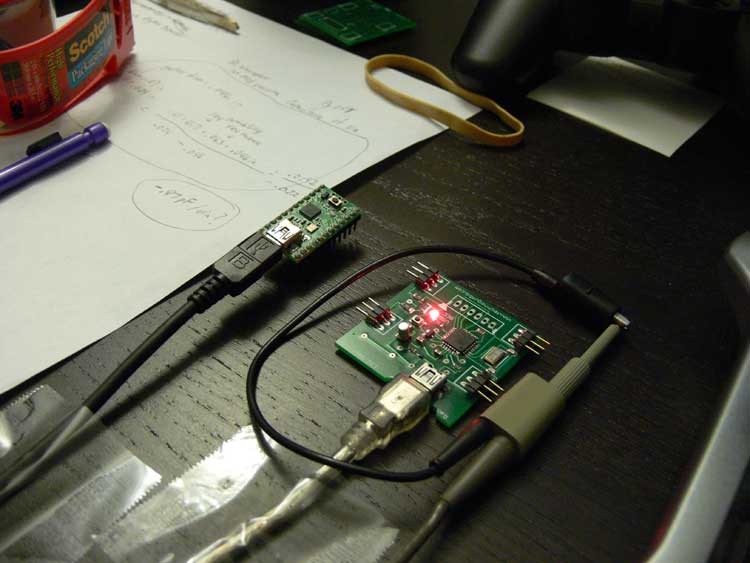
You can take an oscilloscope and connect its ground directly to the end of the probe tip. When you do this, you can take the loop and place things inside of it that you want to measure EMF output from. You also have to turn the voltage setting very low in order to see the EMF on the oscilloscope.
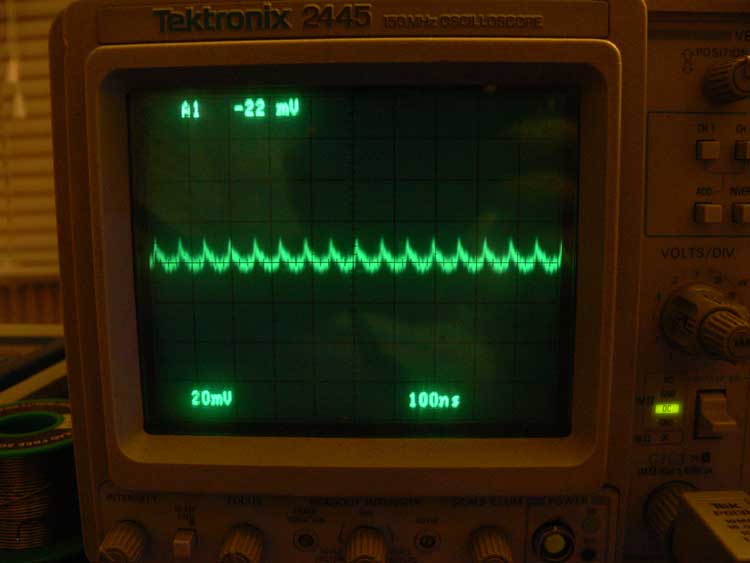
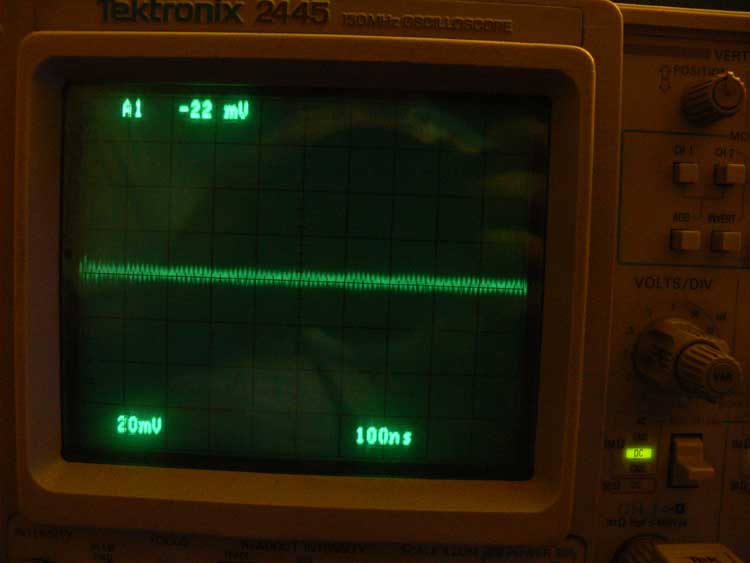
To summarize, if you couldnt read between the lines, you can make an electromagnetic field detector by connecting the ground clamp of an oscilloscope directly to its probe. You can then place the loop created by the ground and probe near items you would like to measure output from.

Charles Palen has been involved in the technology sector for several years. His formal education focused on Enterprise Database Administration. He currently works as the principal software architect and manager at Transcending Digital where he can be hired for your next contract project. Charles is a full stack developer who has been on the front lines of small business and enterprise for over 10 years. Charles current expertise covers the areas of .NET, Java, PHP, Node.js, Javascript, HTML, and CSS. Charles created Technogumbo in 2008 as a way to share lessons learned while making original products.
Comments
No one has posted any comments yet, be the first
Comments are currently disabled.
